10 August 2026 · Small Wonders
The Sustainable Evolution of Zapotec Textile Traditions in Oaxaca
written by Isabel Moreau
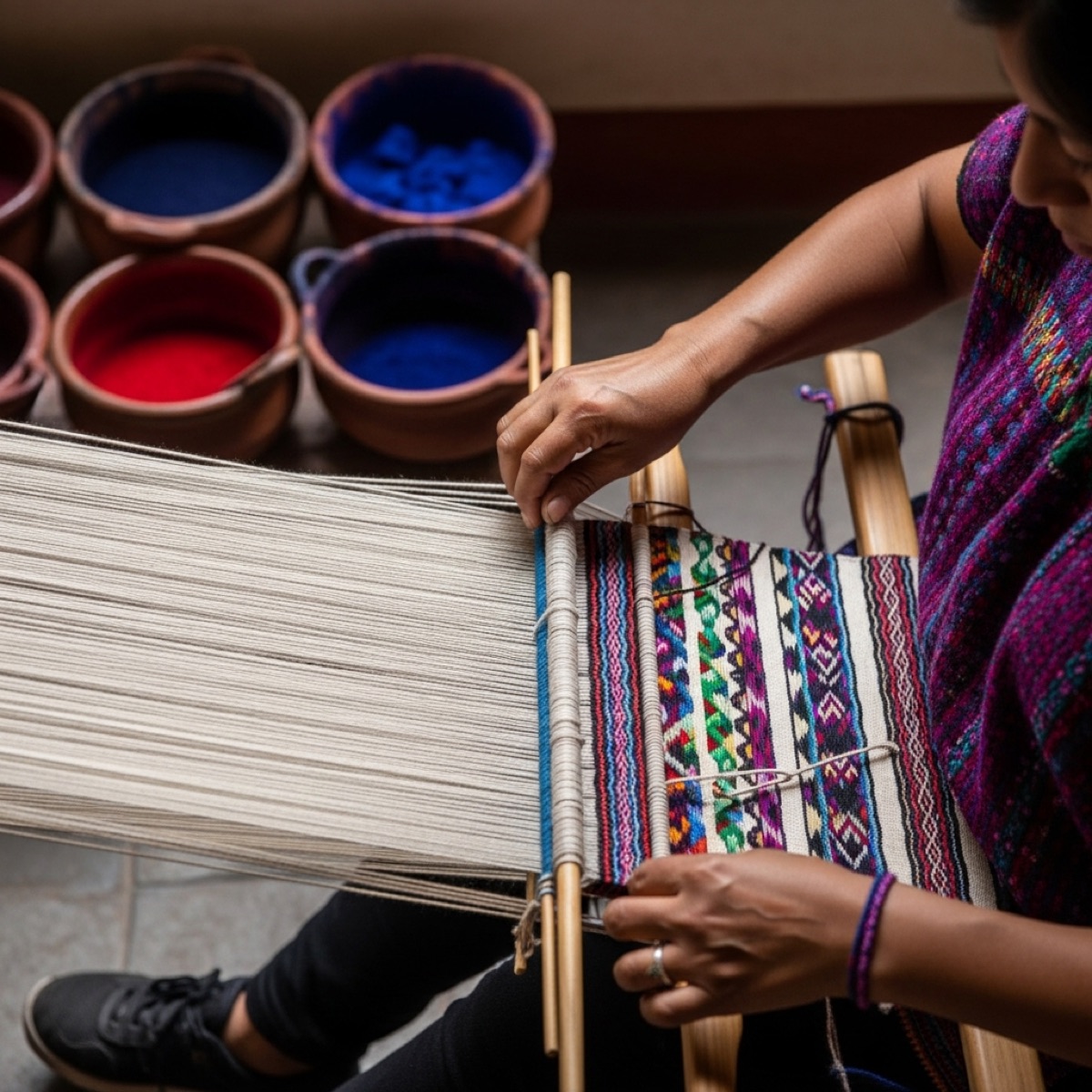
The state of Oaxaca in southern Mexico has seen a significant shift in its tourism economy as local artisan communities transition from high-volume market sales to specialized slow travel experiences. This movement is centered in the Tlacolula Valley, where Zapotec weaving traditions dating back over two thousand years are being repurposed as educational focal points for international visitors seeking deeper cultural immersion.
Economic data from the region suggests that the emphasis on natural dye workshops and backstrap loom demonstrations has increased the average length of stay in rural municipalities such as Teotitlán del Valle and Santa Ana del Valle. These communities have successfully integrated ancestral knowledge with modern conservation efforts to preserve the biological diversity required for traditional craft production.
At a glance
| Dye Source | Biological Origin | Color Produced | Cultural Significance |
|---|---|---|---|
| Cochineal | Dactylopius coccus (insect) | Deep Reds and Crimsons | Pre-Hispanic wealth symbol |
| Indigo | Indigofera tinctoria (plant) | Blues and Teals | Symbol of the sky and water |
| Pomegranate | Punica granatum (fruit rind) | Yellows and Golds | Post-colonial integration |
| Wild Marigold | Tagetes erecta (flower) | Bright Yellows | Associated with Day of the Dead |
Technical Foundations of Zapotec Weaving
The technical core of Oaxacan textile production involves the processing of raw wool, typically sourced from local sheep. The cleaning process utilizes the roots of the amole plant, a natural detergent that avoids the chemical degradation of the fibers. Once cleaned, the wool is carded and spun using hand-operated wheels, a practice that maintains the structural integrity and uneven texture characteristic of authentic artisan rugs. The dyeing process is a complex chemical exercise requiring precise temperature control and pH balancing. Cochineal, for example, reacts with acidic lime juice to produce bright oranges or with alkaline wood ash to produce deep purples. This chemistry is a primary draw for mindful travelers who participate in multi-day workshops to understand the labor-intensive nature of the craft.
Social Structure and the Tequio System
Central to the slow travel experience in Oaxaca is the understanding of the "tequio," a system of mandatory communal labor that governs Zapotec villages. Visitors who engage with the community beyond the typical tourist path observe how these social obligations ensure the maintenance of infrastructure and the preservation of sacred sites. Unlike standard commercial interactions, the purchase of a textile in these villages is often preceded by a demonstration of the loom, an explanation of the symbolic patterns—such as the "grecas" found at the Mitla ruins—and a discussion of the weaver's family history. This transparency is a cornerstone of the mindful travel ethos, prioritizing the human connection over the transaction.
Cultural Etiquette for Visitors
To help respectful interactions, local cooperatives have established guidelines for travelers entering artisan spaces. Adhering to these norms ensures that the influx of tourism does not erode the local social fabric. Key practices include:
- Requesting permission before photographing weavers at work or their family altars.
- Engaging in fair trade practices by avoiding aggressive haggling, as prices reflect weeks of manual labor and natural resource collection.
- Understanding the seasonal nature of production, where heavy rains may delay the drying of dyed wool.
- Prioritizing direct-to-artisan purchases to ensure economic benefits remain within the producing household.
"The shift from being a spectator to a participant in the textile process allows the traveler to recognize the rug not just as a product, but as a biological and historical archive of the valley."
Environmental Impact and Resource Management
The resurgence of natural dyes has also led to local reforestation efforts. Communities are planting more nopal cacti to host cochineal insects and cultivating indigo plantations that had previously been abandoned in favor of synthetic alternatives. This ecological restoration is an unintended but vital benefit of the mindful travel movement. Travelers are increasingly drawn to these "agro-artisan" landscapes, where the boundaries between agriculture, craft, and ecology are blurred. The preservation of these landscapes ensures that the materials required for the craft remain available for future generations, countering the trend of "fast craft" that relies on imported, lower-quality materials.
The Role of Traditional Culinary Experiences
The slow travel experience in the Tlacolula Valley is often augmented by culinary immersion. Visitors are frequently invited to share meals that use traditional Zapotec ingredients, such as nixtamalized corn, locally foraged mushrooms, and various mole preparations. This culinary integration provides a complete view of the artisan's life, demonstrating that the craft of weaving is inseparable from the craft of sustenance. By dining in family homes or small village comedores, travelers support the local food system and gain insight into the seasonal rhythms that dictate both the weaver's output and the farmer's harvest.
✦